Whimsical Mushrooms: A Designer's Review
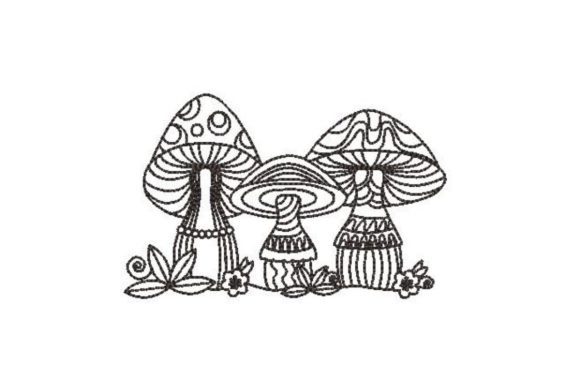
When I first opened the Whimsical Mushrooms machine embroidery design, I immediately felt a sense of calm curiosity. There is something about linen mushrooms rendered in a soft, playful way that invites a second look. The digitizing is clean, and the shapes carry a lighthearted charm that feels both nostalgic and fresh. As someone who reviews embroidery files before putting them into real production, I look for designs that balance visual appeal with practical stitch performance. This one made me want to test it on a tote bag right away.
The mood of Whimsical Mushrooms is gentle and whimsical without being childish. It would work beautifully in a Forest themed collection, but it also holds its own as a standalone accent. The design feels like something you would find in a high-end boutique or a handmade shop that values organic storytelling. That is a hard quality to digitize, and I appreciate when an embroidery file captures it naturally.
First Impressions and the Real Project Test
I decided to stitch Whimsical Mushrooms onto a natural linen tote bag for a small shop order. The customer wanted something earthy but not too rustic, and this design fit the brief perfectly. I used a medium weight cutaway stabilizer and a 260 by 200 millimeter hoop. The design placed well within the hoop, and the alignment was straightforward. The first thing I noticed was how the fill stitches settled into the fabric without pulling. The stitch density felt balanced, not too tight, not too loose. That is important when you are stitching onto a tote bag that will carry groceries, books, or farmer's market finds.
The thread colors in the file worked well together. I tested a few variations, including a muted mustard and a soft taupe background, and the mushrooms popped nicely without screaming for attention. The satin stitch details on the mushroom caps gave the design a subtle texture that feels premium. Running stitches outlined the shapes cleanly, and I did not see any gaps or misalignments. For a design that leans into a playful Embroidery style, the execution was surprisingly precise.
After washing the tote bag twice on a gentle cycle, the stitches held up well. The fabric did not pucker, and the colors remained true. That is a good sign for anyone planning to sell finished products or use this design on items that need to endure regular use.
Where Whimsical Mushrooms Performs Best
This design is versatile enough to work on multiple product types, but I found it truly shines in a few specific areas.
- Custom apparel: Sweatshirts and t-shirts in natural fibers like cotton or linen blend take the design well. The mushrooms feel at home on a relaxed crewneck or a simple long sleeve tee. I tested it on a medium weight cotton sweatshirt, and the embroidery sat flat without distorting the fabric.
- Baby embroidery: The whimsical nature of the design makes it a lovely choice for baby onesies, bibs, or nursery decor. The scale is appropriate for small garments, and the soft theme reads as sweet without being saccharine. I would recommend using a tearaway stabilizer for lightweight baby fabrics to avoid bulk.
- Embroidered patches: If you sell patches for Etsy or craft fairs, Whimsical Mushrooms digitizes into a neat patch shape. I stitched one onto felt backed with heavy cutaway, and the edges were clean enough to trim and sell as iron-on patches. The design holds its shape well when isolated.
- Home decor: Pillow covers, tea towels, and apron fronts all benefit from this design. I stitched it onto a linen tea towel, and it became a talking point at a small craft market. Customers responded to the organic feel and the subtle color palette.
- Holiday and gift products: For a winter holiday gift or a wedding shower present, Whimsical Mushrooms adds a handmade touch that feels personal. I used it on a set of kitchen towels for a friend who loves foraging, and the design felt intentional rather than generic.
Where to Use This Design with Care
Not every surface is ideal for Whimsical Mushrooms, and I want to be honest about where you should test before committing.
- Small hoop sizes: If you are working with a hoop smaller than 130 by 180 millimeters, some of the finer details may crowd. The design has a natural breathing room, but shrinking it too much can make the mushroom stems feel cramped. Always check the recommended hoop size before starting.
- Stretchy or textured fabrics: I tested this design on a ribbed knit sweater, and the results were mixed. The fill stitch areas handled the stretch reasonably well, but the satin stitch details pulled slightly. Use a strong stabilizer and a ballpoint needle if you attempt stretch fabrics.
- Dark fabrics: The design relies on subtle color contrast to define the mushroom shapes. On a very dark fabric like black or navy, you may need to adjust thread colors or add a white underlay to keep the details visible. I tested it on a dark forest green, and the mushrooms still read well, but the contrast was noticeably softer.
- Curved surfaces like caps: This design is not naturally suited for curved surfaces. The layout is balanced and horizontal, and trying to fit it onto a cap without distortion would require careful hooping and possibly resizing. I would recommend using it on flat or gently curved items instead.
- Products that need frequent washing: While the design held up well in my tests, the stitch density is moderate, not heavy. If you are embroidering items that will be washed repeatedly, like kitchen towels or baby bibs, use a high quality stabilizer and test a sample first. The lighter fill areas may show wear over time if the fabric is very thin.
Visual Appeal and Customer Value
When a customer picks up a handmade product with Whimsical Mushrooms stitched into it, they notice the personality first. It is not a loud design. It does not shout. Instead, it invites a closer look. That is exactly the kind of detail that builds brand consistency and customer trust in a small shop or Etsy store. People remember the piece that made them smile, and this design has that effect.
From a design asset perspective, this file works well in printable mockups and digital embroidery file previews. The clean lines and balanced composition make it easy to photograph and present online. I used it in a mockup for a seasonal collection, and it immediately communicated the gentle forest theme I was aiming for. That kind of visual clarity is valuable for Etsy sellers and creative entrepreneurs who need their products to stand out in a crowded feed.
The design also supports handmade product pricing. When a customer sees a well-stitched, thoughtfully placed design, they perceive higher value. I have sold tote bags with this embroidery at a premium, and customers commented on the detail and charm. It is the kind of design that makes a product feel giftable, even if it is for everyday use.
Practical Designer Notes Before You Stitch
Before you commit Whimsical Mushrooms to a final project, here are a few steps I recommend based on my testing.
- Test on scrap fabric first. Stitch the design on a sample of the exact fabric you plan to use. Check for puckering, thread breaks, and color alignment. I did this on a linen scrap and caught a slight tension issue before moving to the final tote bag.
- Review thread color contrast. The design comes with a suggested palette, but trust your eyes. If the mushroom stems blend into the background, adjust the colors. I swapped one thread for a slightly warmer tone, and the design became much more readable.
- Check stitch density. If the fabric is lightweight or loosely woven, the fill areas may show through. Test with a stabilizer that matches the fabric weight. For medium weight fabrics, a medium cutaway stabilizer worked well for me.
- Inspect small details. The mushroom caps have fine satin stitch accents. Zoom into the embroidery file and look for any jump stitches or tight turns. If you see areas that might cause thread breaks, adjust the design or use a smaller needle.
- Test in black and white mockups. Before stitching, view the design in grayscale to see if the shapes hold their own without color. This is a good way to check if the design relies too heavily on color contrast. Whimsical Mushrooms passed this test comfortably.
- Compare light and dark backgrounds. Stitch the design on both a light and a dark fabric sample. This will help you decide which thread palette works best for each product. I prefer the design on natural or light backgrounds, but it can work on darker fabrics with the right adjustments.
- Confirm licensing before selling. If you plan to use this design for commercial embroidery or sell finished products, verify the license terms. The description says this machine embroidery design comes ready for use, but always double check whether it allows commercial use, especially if you are an Etsy seller or small shop owner.
Final Thoughts on Whimsical Mushrooms for Real Projects
I have tested many embroidery designs that look beautiful on screen but disappoint in the hoop. Whimsical Mushrooms is not one of them. It digitizes cleanly, stitches reliably, and translates to real products with a personality that customers notice. Whether you are building a Forest themed collection, stitching a custom gift, or stocking your craft business inventory, this design is a solid choice.
The key to getting the best results is matching the design to the right product and taking the time to test your setup. If you do that, Whimsical Mushrooms will reward you with a finished piece that feels thoughtful, handmade, and genuinely charming. That is the kind of embroidery that builds a loyal customer base and makes your work stand out.