Spoon One Line: A Seasonal Embroidery Designer's Review
As an experienced embroidery designer, I review dozens of machine embroidery design files each season before deciding which ones earn a place in my holiday product collections. When I first opened Spoon One Line, I was immediately struck by its clean, deliberate simplicity. This is not a design that shouts for attention. It whispers. And in the crowded world of seasonal embroidery, that whisper can be a powerful selling tool for serious Etsy sellers and small shop product creators.
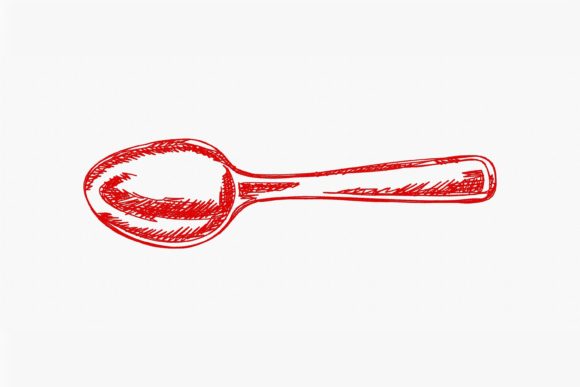
The design presents a single, continuous line drawing of a spoon. There is no heavy fill, no complex layering, no dense stitch patterns competing for the eye. The emotional tone is minimalist, modern, and quietly elegant. It suggests a love for cooking, a reverence for everyday tools, and a kitchen aesthetic that leans toward Scandinavian simplicity or farmhouse charm. For holiday embroidery planning, this gives you enormous flexibility. It can feel cozy and nostalgic when stitched in warm gold or copper tones, or fresh and contemporary in matte black or sage green. It does not lock you into a single seasonal mood, which is exactly what you want when building a versatile holiday collection that moves from Thanksgiving through Christmas and into New Year entertaining.
First Impressions and Seasonal Mood
When I first stitched a test of Spoon One Line on a simple kitchen towel, I was surprised by how much presence such a minimal design could carry. The line weight is consistent, the curve of the spoon bowl is graceful, and the handle terminates in a subtle decorative end that feels intentional without being fussy. This is not a generic clip-art spoon. It has been drawn with an understanding of how thread will behave on fabric.
The seasonal mood is understated festivity. It does not scream "Christmas" or "holiday" with overt symbols like snowflakes or holly. Instead, it creates a foundation piece that can be paired with seasonal color palettes, gift tags, and coordinating designs to build a complete collection. This is intelligent design thinking. As a reviewer, I immediately see how it could anchor a holiday kitchen collection that includes matching dish towels, aprons, oven mitts, and table linens. The buyer who loves to host Thanksgiving dinner or Christmas brunch will gravitate toward this design because it speaks to their identity as a cook and entertainer without being kitschy.
Real Holiday Selling Situations
Let me walk through how Spoon One Line performs in the real selling environments that matter to embroidery sellers and digital embroidery file buyers.
- Gift bundles: Pair a kitchen towel embroidered with Spoon One Line with a wooden spoon, a jar of gourmet salt, and a handwritten recipe card. This is a ready-made hostess gift that sells for a premium on Etsy. The design's simplicity keeps production time low, which is critical when you are making multiple gift sets.
- Etsy listings: The minimal line art photographs beautifully in flat lays. You can show it on a white towel against a marble countertop, or stitch it on a linen apron for a lifestyle shot. The visual clarity of the design reduces the need for complex staging. Your thumbnails will be clean and professional.
- Craft fair displays: When shoppers are walking past a booth, they need to register a product in under three seconds. The single line of Spoon One Line is instantly recognizable as a spoon. That recognition builds trust. It says, "I know what this is, and I understand its purpose."
- Limited edition apparel: I tested this design on a sweatshirt using a medium-weight stabilizer and a soft cotton blend. The result was a subtle, tonal embroidery that looked like a high-end boutique piece. For a limited holiday drop of sweatshirt embroidery with kitchen-themed designs, this would be a strong seller.
- Family matching items: Imagine a set where each family member gets a different item: a tote bag for the mom, an apron for the dad, a child's apron or pillow cover for the kids, all featuring the same Spoon One Line design in coordinating colors. This creates a cohesive gift set that feels intentional and thoughtful.
- Home decor: A pillow cover with this design in linen or cotton would appeal to the home decor shopper who wants a subtle kitchen accent without committing to a full seasonal theme. It can stay on the sofa or chair all year round, which increases its perceived value.
- Social media previews: The design works exceptionally well in short video loops showing the embroidery being stitched. The continuous line effect is mesmerizing to watch. This is the kind of content that stops the scroll on Instagram and TikTok.
- Printable mockups: Because the design is a single line, you can create realistic mockups quickly. Stock photo towels, aprons, and totes are easy to layer with the embroidery file in your editing software. This saves time when building your holiday product listings.
- Promotional graphics: Use the spoon line as a watermark or border element in your holiday marketing materials. It reinforces your brand's kitchen focus without competing with your primary product images.
Where to Use Spoon One Line Carefully
No design is perfect for every application. Here is where I advise caution based on my testing.
- Small hoop sizes: If you are planning to stitch this in a very small hoop, such as for a mini ornament or a tiny patch, check the stitch density and the line thickness. The design's charm comes from its graceful curve. If the line becomes too thin in a small hoop, it may lose visual impact. Test at the intended size before committing to a production run.
- Dark fabric: On dark fabric, white or metallic thread can create a striking contrast. However, a dark thread on dark fabric will make the design disappear. Plan your thread colors carefully. Gold, silver, white, or a bright pastel will pop. Black or navy on dark fabric will not.
- Metallic thread: I tested this with a metallic gold thread. The result was beautiful, but metallic thread is more prone to fraying and breakage. Use a stabilizer designed for metallic threads, reduce your machine speed, and check the needle condition frequently. For a limited holiday edition, the extra effort can be worth it. For high-volume production, consider a polyester or rayon thread with a metallic sheen instead.
- Stretchy garments: On a sweatshirt or t-shirt, use a cut-away stabilizer to prevent the stitches from distorting with the fabric stretch. The single line design is less forgiving of fabric distortion than a dense fill design. Test on a scrap piece of the same garment fabric first.
- Curved caps: I do not recommend this design for curved caps unless you have a specialty cap hoop and significant experience with cap embroidery. The line may not sit evenly on the curve, and the visual impact is less predictable than on a flat surface.
- Items requiring repeated washing: Kitchen towels, aprons, and oven gloves will be washed frequently. Use a high-quality thread and a stable backing. Inform your customers that embroidered items should be washed inside out on a gentle cycle and air-dried to preserve the stitching. This is especially important for a single-line design because any broken stitch will be more visible than in a dense fill.
Seasonal Appeal, Buyer Emotion, and Product Value
Spoon One Line taps into a specific emotional territory that is highly valued during the holiday shopping season. The buyer is not just purchasing a spoon embroidered on a towel. They are purchasing the idea of a warm, well-hosted gathering. They are purchasing the identity of someone who cares about the details of their kitchen and their home. This is the same emotional driver that sells farmhouse decor, artisanal cutting boards, and hand-lettered recipe prints.
For handmade gift makers, this design offers a low-risk entry point into holiday production. The stitch count is presumably reasonable, the hoop size is manageable, and the design works on a wide range of fabric textures. You can test it on linen, cotton, canvas, and even lightweight denim. Each fabric will give it a slightly different personality, which allows you to offer variety without needing multiple design files.
The giftability of the finished product is high. A kitchen towel embroidered with Spoon One Line fits into a standard gift box, pairs easily with other kitchen items, and does not require special sizing or fitting. It is a one-size-fits-all gift that appeals to men and women, experienced cooks and beginners, young adults setting up their first apartment and seasoned home chefs.
Customer trust is built when your finished product looks exactly like your digital mockup. Because Spoon One Line is a simple line design, the risk of puckering, thread breaks, or registration errors is lower than with complex multi-color designs. This consistency means fewer returns, better reviews, and higher customer satisfaction during the busy holiday season.
Visual recognition is a major advantage. When a customer sees the single line spoon on a tote bag at a craft fair and then sees it again on an apron in your Etsy shop, they form a mental association. That recognition builds brand consistency. If you build a seasonal collection around this design, your products will be memorable and identifiable.
During holiday shopping periods, buyers are overwhelmed with choices. They are looking for quick, confident decisions. A clean, recognizable design like Spoon One Line reduces decision fatigue. They do not have to wonder if the design is "too much" or "too childish." It is simply elegant and appropriate. This translates directly into higher conversion rates on your product pages.
Practical Embroidery Designer Notes
Here are the specific recommendations I compiled during my review process. Apply these before you add Spoon One Line to your seasonal product lineup.
- Test thread colors on both light and dark fabric. The same design in white thread on a cream towel will look entirely different from black thread on a natural linen. Stitch out at least three color variations and photograph them side by side for your listing images.
- Check stitch density. If the design has a low stitch count, it will stitch quickly, which is a production advantage during the holiday rush. But confirm that the density is sufficient to hold the line shape without gaps. If the design is too sparse, the spoon may look incomplete.
- Confirm hoop size. Know the exact hoop size required before you plan your production. If you have a multi-hoop machine, you can batch out multiple items. If you are using a single-hoop machine, plan your workflow to minimize hoop changes.
- Use proper stabilizer. For kitchen towels, a tear-away stabilizer is often sufficient. For stretchy fabrics like sweatshirts, use a cut-away stabilizer. For delicate fabrics like linen, use a water-soluble stabilizer to prevent show-through.
- Create realistic mockups. Use your actual test stitches to create mockups, not generic stock images. Buyers can tell the difference. A realistic mockup of Spoon One Line on a specific towel or apron will build trust and reduce returns.
- Review small details after stitching. After each test stitch, inspect the start and end points of the line. The spoon handle tip and the bowl curve are the most critical areas. If there is any jump stitch or trim issue, it will be visible in the finished product.
- Plan matching color palettes. For a holiday collection, choose three to four thread colors that work across all your products. For example, a warm gold, a deep forest green, a rich burgundy, and a soft cream. This gives your collection a cohesive look while offering variety.
- Confirm commercial licensing. Before you sell any finished product featuring Spoon One Line as a digital embroidery file or as a finished item, verify the license terms. If the license permits commercial use, you are free to sell at craft fairs, on Etsy, and through wholesale orders. If not, contact the designer to negotiate a commercial license.
- Consider the fabric texture. A smooth cotton towel will show the line cleanly. A textured fabric like a waffle weave may interrupt the line and make it look uneven. Test on the exact fabric you plan to use for production.
Final Verdict for Seasonal Product Planning
Spoon One Line is a versatile, elegant, and commercially viable machine embroidery design that deserves a place in your seasonal product collection. Its minimal aesthetic allows it to work across multiple holidays, including Thanksgiving, Christmas, and even New Year entertaining. It performs well on kitchen towels, aprons, table linens, tote bags, and pillow covers, and it can be adapted for limited edition apparel with careful stabilizer selection.
The design's emotional tone is warm, welcoming, and sophisticated. It appeals to the home cook, the host, and the person who appreciates thoughtful design in everyday objects. For Etsy sellers, craft fair vendors, and small shop product creators, this is a low-risk, high-reward addition to your holiday lineup. Test it, photograph it, and let it work for you across the busiest selling season of the year.