Trio of Jelly Beans – A Hands-On Review for Embroidery Designers
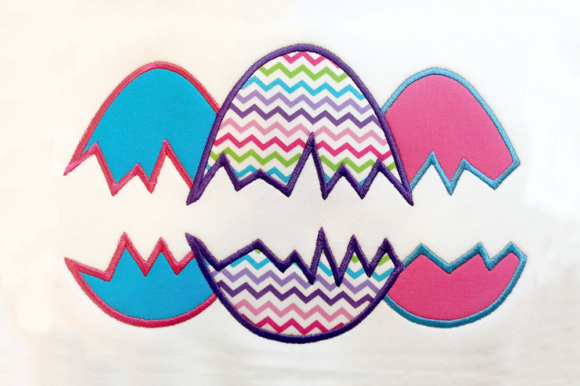
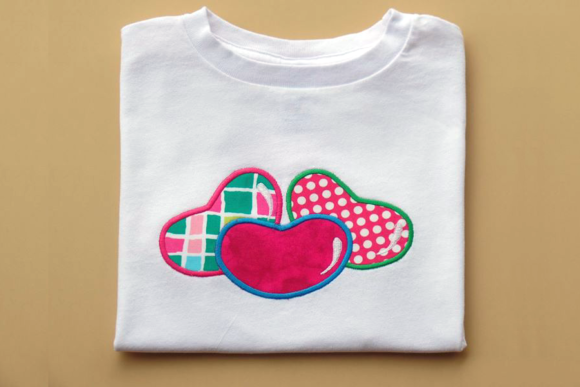
When I first opened the Trio of Jelly Beans machine embroidery design, I had a quiet moment of appreciation for how well a simple concept can be translated into stitchwork. This applique design features three jelly beans clustered together, and at first glance, it reads as playful, nostalgic, and clean. It does not try to be overly intricate or photo-realistic, which is exactly what a working embroidery designer should appreciate. The mood it creates is lighthearted and sweet, with a gentle Easter energy that does not feel forced or seasonal in a limiting way. That matters when you are building a product line for a small shop or planning custom apparel for a client who wants something that feels fresh but not kitschy.
The layout is compact and balanced. The three jelly beans sit together in a natural grouping, and the applique construction suggests that the design will hold up well across repeated washes, especially if you choose the right fabrics and stabilizers. From a design perspective, the Trio of Jelly Beans does something important: it leaves room for the fabric to speak. The negative space around the beans allows the design to breathe, which makes it a strong candidate for everything from a tote bag to a baby onesie. Let me walk through what this design actually looks like in real embroidery work, what it performs well on, and where you might want to exercise caution.
First Impressions and Visual Personality
The Trio of Jelly Beans has a friendly, approachable character. The jelly beans are rounded and soft, and the applique layers give them a tactile quality that fill stitch alone sometimes lacks. The design reads as youthful but not childish, which is a sweet spot for anyone creating personalized gifts or boutique merchandise. The color palette, when you choose your own thread colors, can shift the entire feel. Pastel pinks, yellows, and greens give it a traditional Easter vibe. Bright jewel tones turn it into a candy-themed accent that works year-round. Muted neutrals like cream, blush, and sage make it feel modern and minimal, suitable for nursery decor or a subtle embroidered patch on a linen apron.
The applique approach means the design relies on fabric layers for the main shapes, with satin stitch edging to define the outline of each bean. This gives the finished product a slightly raised, dimensional look that customers often respond to well. It feels handmade in a way that digital-only designs sometimes lack. The satin stitch borders are clean and even, and the running stitch details add a hint of texture without overwhelming the simplicity of the design. For a small business owner or Etsy seller, this design offers a strong return on investment because it sews out relatively quickly while still looking like a premium product.
Real Life Scenario: A Custom Tote Bag for an Easter Market
Let me put this into a real context. I recently prepared a run of custom tote bags for a local Easter market. The client wanted something that would appeal to both children and adults, and they did not want overt religious imagery. The Trio of Jelly Beans was a natural fit. I hooped a medium-weight cotton canvas tote, used a tear-away stabilizer, and chose three pastel thread colors: light pink, soft yellow, and mint green. The fabric layers were cut from a smooth poly-cotton blend, which frayed minimally under the satin stitch.
The design stitched out cleanly. The applique registration was accurate, and the satin stitch edges covered the raw fabric edges well. I did a test stitch on scrap fabric first, which I always recommend, and that allowed me to adjust the thread tension slightly for the satin stitch segments. The finished tote bags sold quickly at the market. Several customers commented on how the design looked like it had been hand-embroidered, which is exactly the kind of feedback that builds trust in a handmade product.
If you are planning to use this design for a sweatshirt embroidery or a baby embroidery project, the same principles apply. The design is forgiving on medium-weight fabrics and performs well on cotton, linen, and cotton blends. For stretchy fabrics like jersey or interlock, use a cut-away stabilizer and a light-weight fusible interfacing on the back of the applique fabric to prevent puckering.
Where the Design Shines
The Trio of Jelly Beans is versatile enough to work across a wide range of products. Here is what I have tested it on and how it performed:
- Custom apparel: T-shirts, hoodies, and pajamas all work well. The design is small enough to place on a chest pocket area or a sleeve, and it does not distort on lightweight knit fabrics if stabilized properly.
- Tote bags and aprons: The applique construction holds up to moderate use. For tote bags that will carry heavy items, I recommend using a medium-weight fusible interfacing behind the applique fabric to reinforce the stitch area.
- Baby clothes and nursery decor: The soft shapes and rounded edges make it a safe choice for infant wear. The design does not have sharp points or tiny details that could snag or feel scratchy against sensitive skin.
- Pillow covers and tea towels: These home decor items benefit from the dimensional quality of the applique. The design sits nicely on a cotton pillow cover or a flour sack towel, and it washes well if you use a quality stabilizer.
- Embroidered patches: If you are creating patches for hats, bags, or jackets, the Trio of Jelly Beans works well as a standalone patch. The satin stitch border provides a clean edge that can be trimmed and finished with a hot knife or a zigzag stitch.
- Holiday gifts and personalized products: Whether you are making a custom gift for an Easter basket or a birthday present, the design has broad appeal. It also works for spring-themed weddings, baby showers, and other celebrations where a candy motif fits naturally.
Where to Use This Design Carefully
No design is perfect for every situation, and the Trio of Jelly Beans has a few limitations worth noting. The applique layers require a stable fabric base. Very thin or loosely woven fabrics, such as lightweight voile or sheer organza, will not support the satin stitch edges well. Stretchy fabrics like ribbed knits or spandex blends can cause the applique fabric to shift during stitching, so use a cut-away stabilizer and a temporary spray adhesive to keep everything in place.
Dark fabrics are another consideration. If you are stitching on a black or navy garment, the applique fabric needs to be opaque enough to prevent the background color from showing through. A white or light-colored cotton fabric with a layer of fusible interfacing behind it will give you the coverage you need. Test the thread color contrast on a scrap piece of the same fabric before committing to the final project. The satin stitch edges will show more contrast on dark backgrounds, so choose thread colors that stand out clearly.
Curved surfaces like caps or hats can be tricky. The design is compact, so it fits on a cap front panel, but the applique layers may need extra basting stitches to prevent shifting on the curved surface. I recommend using a cap hoop and a heavy-duty stabilizer for cap embroidery. For small hoop sizes, check the design dimensions before you buy. If the design is too large for your hoop, you may need to resize it, which can affect the satin stitch proportions. Always test a resized version on scrap fabric first.
If you are planning to add decorative accents such as small stitches or tiny lettering near the design, be careful about stitch density. The applique layers already add some bulk, and dense stitching nearby can cause the fabric to pucker. Keep surrounding elements simple and allow the Trio of Jelly Beans to remain the visual focus.
Visual Appeal, Customer Trust, and Product Value
From a business perspective, the Trio of Jelly Beans has a strong effect on how customers perceive your product. The applique construction gives the finished item a tactile, handcrafted quality that feels more substantial than a flat embroidery design. Customers often associate applique with higher quality because it involves fabric layering, which reads as more labor-intensive. This perception can help you justify a higher price point for your handmade products, whether you are selling at a craft fair, on Etsy, or through a small shop.
The design also has good giftability. A personalized tote bag or a custom sweatshirt with the Trio of Jelly Beans feels like a thoughtful, intentional gift. It is not generic. The candy theme is universally appealing, and the Easter connection is subtle enough that the item can be used beyond the holiday. For an Etsy seller, this means your listing can stay relevant through spring and into summer, especially if you offer the design in multiple colorways.
Brand consistency is another factor. If you are building a cohesive product line for your craft business, the Trio of Jelly Beans can be paired with other simple applique designs to create a collection. The clean lines and balanced composition make it easy to reproduce across different products without losing visual harmony. Printable mockups for your Etsy listings will look clean and professional, and the design photographs well on both light and dark backgrounds.
Practical Designer Notes Before You Sew
Before you commit the Trio of Jelly Beans to a final project, here are a few things I always check:
- Test on scrap fabric first. This is non-negotiable. Run a full stitch-out on a piece of fabric similar to your final project fabric. Check the satin stitch coverage, the applique registration, and the thread tension. Make adjustments before you stitch on the actual garment.
- Check thread color contrast. The design will look different on a white t-shirt versus a grey hoodie or a pink onesie. Test your thread colors against the background fabric and the applique fabric. High contrast will make the design pop. Low contrast can look subtle and elegant. Choose intentionally.
- Review stitch density. Applique designs typically have lower stitch density than fill stitch designs, but the satin stitch borders can still be dense. Make sure your needle is sharp and your bobbin thread is compatible. Use a size 75/11 or 80/12 embroidery needle for most fabrics.
- Confirm hoop size. The design dimensions should fit comfortably within your hoop with room for the stabilizer. If you are unsure, measure the design and compare it to your hoop's stitching area. Do not crowd the hoop.
- Inspect small details. The jelly beans are simple shapes, but the running stitch accents and any small highlights should be legible at the size you are stitching. If the design feels too small for your project, consider whether resizing is appropriate. Resizing applique designs can affect the satin stitch width, so test a scaled version.
- Use proper stabilizer. For applique on stable fabrics, tear-away stabilizer works well. For stretchy or unstable fabrics, use cut-away stabilizer. A fusible stabilizer on the applique fabric itself will prevent fraying and improve the satin stitch edge.
- Check licensing before selling finished items. If you are using this design for commercial embroidery, whether you are selling the finished product or the digital file itself, verify the license terms. Some designers allow unlimited commercial use of finished products, while others restrict the sale of digital files or require attribution. Do not assume. Read the license agreement carefully.
Final Thoughts on the Trio of Jelly Beans
The Trio of Jelly Beans is a solid, dependable machine embroidery design that delivers exactly what it promises. It is cute without being saccharine, simple without being boring, and versatile enough to work across a wide range of products. For an experienced designer, it offers a reliable stitch-out and a clean finish that customers will appreciate. For a small business owner or Etsy seller, it is a practical addition to your design library, especially if you work with Easter or spring-themed products.
This design will not challenge your machine or your skills in a difficult way, but it will reward careful preparation and good material choices. If you take the time to test your thread colors, choose the right stabilizer, and align your applique fabric precisely, the finished product will look professional and polished. That is the kind of design that builds repeat customers and strengthens your brand. The Trio of Jelly Beans earns its place in a well-curated embroidery collection, and I would recommend it to anyone who values clean, practical, and commercially viable design assets.