Mexican Skull Catrina
First Impressions: A Bold, Festive Statement for Your Booth
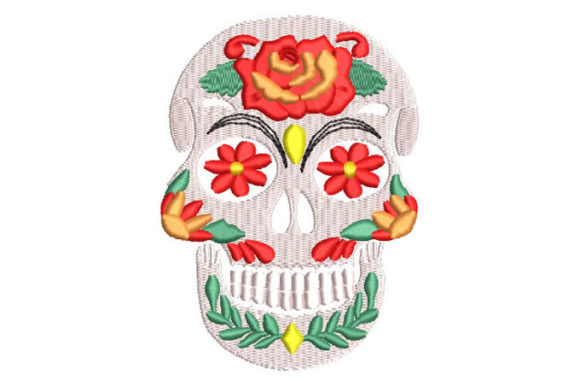
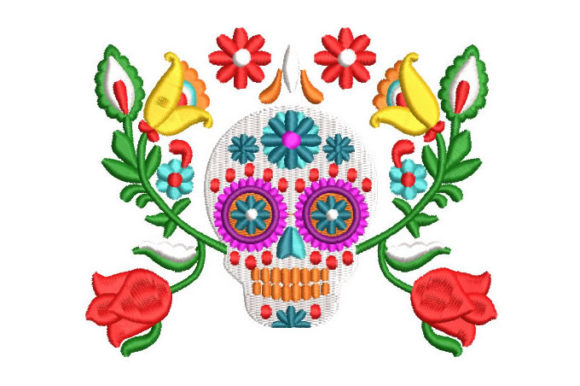
When I first opened the Mexican Skull Catrina machine embroidery design, my immediate reaction was that this is a design with serious shelf presence. It leans festive and decorative, with a premium feel that stops shoppers mid-stride. It is not a cute, cartoonish skull; it carries the elegant, detailed aesthetic of traditional Día de Muertos imagery, with floral accents and a refined silhouette. For a craft fair product, that is a huge advantage. Customers browsing Halloween or autumn-themed booths are drawn to pieces that feel handmade and culturally resonant, and this design delivers that without being too niche. It works equally well for Halloween and Day of the Dead celebrations, which broadens your selling window from late September through early November.
As an embroidery designer reviewing for production, I see Mexican Skull Catrina as a design that can anchor a whole product line. It reads as bold enough to be the single focal point on a tote bag, but also detailed enough to stand alone on a small patch. The color palette is crucial here—if the design comes with multiple thread colors, you can create a rich, layered look that photographs beautifully for Etsy listings. If it is a single-color or two-color file, it still works, but I recommend testing it on a dark fabric like deep purple or black to make the skull pop. The first impression is that this is a design that commands attention, and that is exactly what you want when a customer is scanning a crowded booth table.
Tote Bags and Market Bags
This is where Mexican Skull Catrina shines. On a sturdy canvas tote in cream, natural, or black, the design becomes a conversation piece. The size of the design should be large enough to fill the center panel—think 5 to 7 inches wide. Shoppers will pick up the bag, run their fingers over the stitches, and ask about the meaning. That interaction is gold at a craft fair. I recommend using a medium-weight cutaway stabilizer to keep the stitches crisp, especially if the bag has a textured weave. The design’s detail work, like the floral crown and eye sockets, will remain clear if you maintain proper stitch density. Avoid overscaling; if the design is stretched too large, the fine lines may become distorted.
Aprons and Tea Towels
Aprons are a natural fit for this design. A half-apron or full bib apron with Mexican Skull Catrina embroidered on the front pocket or chest area immediately elevates the piece from utility to art. For tea towels, the design works best as a centered motif on a linen or cotton blend. However, be cautious with stitch density on textured towels. If the design has dense fill areas, the towel’s loops can swallow the thread, causing a muddy appearance. Always test on a sample towel first. Use a water-soluble topper to keep the stitches sitting on top of the fabric. The design’s festive nature makes it a great gift item for Halloween hostesses, and that is a practical selling point for your booth.
Embroidered Patches
Patches are a low-risk, high-margin product. You can stitch Mexican Skull Catrina onto twill or felt, cut them out, and sell them as iron-on patches. The design’s detail work holds up well at a medium size—around 3 to 4 inches. At smaller sizes, the finer elements like the teeth and floral petals may lose clarity. I recommend testing the embroidery file at 2.5 inches to see if the details remain readable. If they do not, offer only the larger patch size. Patches appeal to crafters who want to personalize jackets, bags, or denim, and they are easy to display in a small basket on your table. Plus, they are a great entry-level price point for customers who are not ready to buy a full tote bag.
Caps and Hats
Curved surfaces are always tricky, and Mexican Skull Catrina is no exception. The design works best on a structured cap with a flat front panel. The shape of the skull can be adapted to fit the curve, but you must use a cap hoop and a stiff stabilizer to prevent distortion. Avoid dense stitching on the crown area of the cap, as the fabric does not hooped as tightly. If the design has a lot of satin stitches, they may pull or pucker. I would reserve this design for caps made of cotton twill or performance fabric, and I would only offer it in a limited run until I am confident in the production quality.
Small Pouches and Pillow Covers
Small fabric pouches, like cosmetic bags or zippered pouches, are a great way to use Mexican Skull Catrina as a focal design. The size of the pouch dictates the design scale—keep it proportional. A 4-inch design on a 6-inch pouch looks balanced. For pillow covers, the design becomes a decorative accent for a sofa or bed. This is a premium product that can command a higher price. Use a high-quality linen or velvet fabric to enhance the design’s richness. The embroidery will feel like an heirloom piece, and customers will recognize the value.
Practical Selling and Production Points
From a sales perspective, Mexican Skull Catrina is easy for customers to understand at a glance. It is a skull with floral details—they immediately grasp the Day of the Dead or Halloween connection. That instant recognition is crucial for impulse buys. The design works as both a small accent on a cap or pouch and a large focal point on a tote bag or apron. For Etsy listings, the design photographs well because of its high contrast and intricate shapes. I recommend using a printable mockup of the design on a tote bag or apron to create lifestyle images that show scale and placement. Customers want to see how it looks on the finished product, not just the digital embroidery file.
For batch production, the design’s repeatability depends on thread changes. If the design uses multiple colors, you will need to plan your production line to minimize downtime. Group identical colors across multiple items to speed up the process. I advise checking the stitch count and thread color list before you commit to a large run. If the design has a high stitch count, factor that into your pricing. Customers are willing to pay more for detailed embroidery, but you need to ensure your time is compensated.
Careful-Use Notes for Embroidery Production
- Dense stitch areas: If the design has heavy fill areas, they can cause fabric puckering, especially on lightweight fabrics like cotton lawn or silk. Test on a similar fabric first. Use a cutaway stabilizer and reduce tension if needed.
- Tiny details: The eyes, teeth, and floral petals are critical to the design’s character. At small sizes (under 2.5 inches), these details may blur or break. Always test the smallest size you plan to offer.
- Small lettering: If the design includes any text (like a name or phrase), test it at your intended size. Small lettering on textured fabric can become unreadable. I recommend avoiding text if not part of the original design.
- Thick fabric: On heavy towels or fleece, the design may lose clarity. Use a topper and a sharp needle to penetrate the fabric without breaking the thread.
- Curved surfaces: For caps or curved items, the design may distort. Use a cap hoop and a floating stabilizer technique. Avoid dense stitching on the curve.
- Dark fabric: If the design includes white or light colors, test on dark fabric. The contrast can be stunning, but you may need an extra layer of stabilizer to prevent the fabric from showing through.
Visual Appeal, Customer Attention, and Booth Strategy
Mexican Skull Catrina has a strong visual appeal that draws customer attention from across the booth. It is not a subtle design; it announces itself. That is a good thing for a craft fair product. Customers are often overwhelmed by choices, so a bold, recognizable motif like this one cuts through the noise. The design’s cultural and festive connotations invite questions and stories, which is exactly how you build rapport with buyers. When they ask about the symbolism, you have a chance to explain the Day of the Dead tradition, and that connection often leads to a sale.
For brand consistency, this design fits well with a line of artisan or handmade goods that celebrate heritage or seasonal themes. If you have other nature-inspired or folk-art designs, Mexican Skull Catrina will complement them. For booth display, I recommend placing the largest items—like tote bags or pillow covers—at eye level on a rack or hanging display. Smaller items like patches and pouches can be grouped in baskets or on a tabletop grid. The design’s premium feel allows you to price it higher than simpler designs, but keep in mind your target customer. Craft fair shoppers are often willing to pay for quality, especially if they see the detail up close.
Practical Embroidery Designer Notes Before Production
Before you stitch a single item for your booth, follow these steps:
- Test the design on scrap fabric that matches your intended product material. Check for thread breaks, tension issues, and fabric distortion.
- Check thread contrast. If the design uses similar colors, it may not stand out. Adjust thread colors to ensure the skull, flowers, and background are distinct.
- Review spacing and placement. Mark the center of your item and the hoop boundaries. Ensure the design is not too close to seams, zippers, or edges.
- Confirm hoop size. The design may require a specific hoop size. Verify that your hoop can accommodate the design without shifting.
- Inspect stitch density. If the design feels too dense, consider reducing the stitch count or using a lighter fabric. High density can cause puckering.
- Use the right stabilizer. For most products, a medium-weight cutaway stabilizer works best. For towels or stretchy fabrics, use a tear-away with a topper.
- Create at least one real mockup. Do not rely solely on digital mockups. Stitch the design on the actual product to see how it drapes, feels, and wears.
- Compare fabric colors. A design that looks great on white may disappear on black. Test on multiple fabric colors to find the best combinations.
- Confirm commercial licensing. Before selling finished products, check the license terms of the machine embroidery design. Some designers require attribution or restrict commercial use. If the license is not clear, contact the seller.
Final Thoughts on Mexican Skull Catrina for Craft Fair Success
Mexican Skull Catrina is a strong, versatile design that can elevate your craft fair booth. It bridges the gap between Halloween and Day of the Dead, giving you a longer selling season. It works on a wide range of products—from tote bags and aprons to patches and pillow covers—and it photographs well for online listings. The key to success is careful testing, especially for stitch density on textured fabrics and for small sizes on patches or caps. With the right stabilizer and thread choices, this design will become a bestseller in your handmade product line. As an embroidery designer, I recommend adding it to your production queue for the upcoming craft fair season, and I am confident it will catch the eyes of shoppers looking for something bold, beautiful, and meaningful.