Alpaca: A Cheerful Embroidery Design
As an experienced embroidery designer, I’ve reviewed countless machine embroidery designs from Creative Fabrica, but Alpaca stands out for its vibrant energy and versatility. This applique design is perfect for adding a playful touch to a wide range of projects. Whether you're creating custom apparel, personalized gifts, or commercial embroidery products, Alpaca has the potential to elevate your work with its cheerful aesthetic.
First Impressions of Alpaca
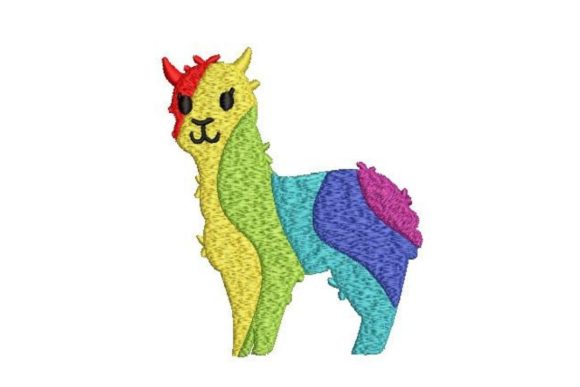
The visual mood of Alpaca is undeniably upbeat. The design features a stylized alpaca with bold colors and expressive details that make it instantly recognizable. It’s not just a simple animal shape—it has a personality that can bring life to any project. The level of detail is impressive, with clear lines and well-defined areas that translate well into different stitch types like satin stitch and fill stitch.
Alpaca’s stitching personality is soft yet structured, making it ideal for both decorative and functional embroidery. Its appeal lies in its ability to add a whimsical element without overwhelming the fabric. This makes it a great choice for baby items, nursery decor, and seasonal handmade gifts where visual appeal is key.
Real-World Embroidery Performance
When considering real-world use, Alpaca performs well across multiple fabric types. It stitches out beautifully on cotton, linen, and even stretchy materials, provided the right stabilizer is used. For small hoop sizes, this design may require careful placement to ensure all elements are captured effectively. However, its layout allows for flexibility, making it suitable for tote bag designs, sweatshirt embroidery, and embroidered patches.
One thing to note is the design’s density. While it’s not overly complex, certain areas—like the facial features and body outline—require attention to stitch density to avoid puckering or distortion. For projects that will be washed frequently, such as kitchen towels or aprons, testing the design on scrap fabric before final application is highly recommended.
Alpaca also works well on curved surfaces, like caps or pillow covers. Its design allows for smooth transitions around curves, and with proper hooping techniques, it can maintain its shape and clarity. For layered details, such as those found in baby blankets or decorative pillows, Alpaca adds a charming focal point that enhances the overall look of the finished product.
Practical Use in Handmade Projects
For small business owners and Etsy sellers, Alpaca offers a versatile option that can be adapted to various product types. As a printable mockup, it can be used to showcase designs on different backgrounds, helping customers visualize how the design would look on their chosen item. This is especially useful for digital product sellers who need high-quality design assets for client presentations.
When working with dark fabrics, the contrast between the alpaca’s colors and the background is important. Using the right thread colors can help the design stand out without appearing too harsh. For light fabrics, the same applies—ensuring the design remains visible and aesthetically pleasing.
Alpaca also fits naturally into commercial embroidery projects. Its simplicity and charm make it an excellent choice for branded merchandise, promotional items, and boutique merchandise. As a personalized gift, it can be customized with names or initials, adding a unique touch that resonates with buyers.
Impact on Product Value and Customer Engagement
Adding Alpaca to your collection can significantly boost the value of your handmade products. Its cheerful design appeals to a broad audience, making it a strong seller for craft fair products and online listings. The visual appeal of Alpaca contributes to better product photography, which is essential for attracting customers and building trust in your brand.
From a branding perspective, using consistent design elements like Alpaca helps reinforce your style and identity. It creates a cohesive look across different product lines, which is crucial for small business owners aiming to build a recognizable brand presence.
For creative entrepreneurs, Alpaca offers a way to expand their offerings without requiring extensive design work. It’s a ready-to-use machine embroidery design that can be quickly integrated into existing workflows, saving time while maintaining quality.
Embroidery Tips and Best Practices
To get the best results with Alpaca, start by testing the embroidery file on scrap fabric. This allows you to see how the design looks on your specific material and adjust settings if needed. Checking the thread color contrast is also essential—especially when working with dark or patterned fabrics.
Reviewing the stitch density is another key step. If the design feels too tight or loose, adjusting the settings can improve the final outcome. Confirming the hoop size required for the design is also important, particularly if you’re working with smaller projects or limited hoop space.
Before selling any finished items, always double-check the file details and licensing information on the Creative Fabrica product page. This ensures that you’re using the design in compliance with the terms, protecting both your business and your customers.
Finally, after stitching, inspect the small details carefully. Alpaca’s intricate parts, like the eyes and ears, should be clearly defined and free from errors. With proper care and attention, this design can become a valuable addition to your embroidery toolkit.