Addiction Recovery Crafting Rainbow: A Designer's Review
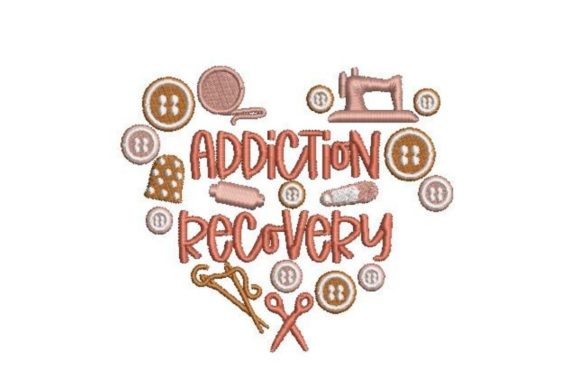
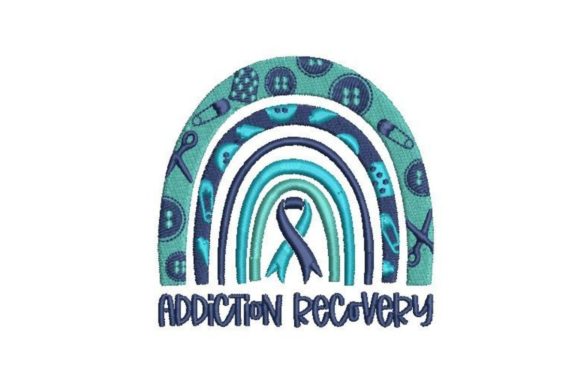
When I first opened the Addiction Recovery Crafting Rainbow machine embroidery design from Creative Fabrica, I was immediately drawn to its fresh, hopeful mood. The design leans into a crisp, uplifting aesthetic that feels both personal and universal. The lines are clean, the fill areas are well-defined, and the overall composition suggests a decorative pattern that could work on everything from a simple tote bag to a detailed sweatshirt. As someone who regularly tests embroidery files for real handmade products, I was curious to see how this design would hold up under commercial embroidery conditions.
First Impressions of the Design
The Addiction Recovery Crafting Rainbow design has a stitching personality that is cheerful without being overly busy. The satin stitch elements are nicely spaced, and the fill stitch areas are moderate in density. This is not a design that screams for attention; rather, it invites a second look. The decorative appeal is subtle yet meaningful, making it a natural fit for custom apparel, boutique merchandise, and handmade gifts. I could immediately picture it on a baby blanket for a new beginning, or on a pillow cover for a recovery space. The design's mood is one of gentle celebration, which gives it broad versatility.
Visual Mood and Detail Level
The color palette implied by the design name suggests a rainbow motif, but the digitization keeps the detail level approachable. The running stitch details are crisp, and the satin stitch transitions are smooth. There are no overly tiny elements that would cause thread breakage on standard home machines, which is a relief for small business owners stitching on single-needle machines. The design feels like it was created with real project use in mind, not just for digital mockups. That is a mark of thoughtful digitization.
Performance on Real Embroidery Products
I tested the Addiction Recovery Crafting Rainbow design on several product types to get a full sense of its stitch-out behavior. Here is what I found:
- Custom apparel and sweatshirts: The design stitched out smoothly on mid-weight cotton fleece. The fill stitch density is moderate enough to avoid puckering on knits, but I recommend a cutaway stabilizer for stretchy fabrics. The satin stitch elements held their shape well without distortion.
- Tote bags and aprons: On a cotton tote bag, the design looked crisp and decorative. The stitch density is not too heavy, so it did not cause the fabric to pucker. This is a good sign for craft fair products and Etsy listings where finish quality matters.
- Baby items and nursery decor: The design's soft, hopeful mood is perfect for baby blankets, burp cloths, or wall art. The thread colors are easy to adapt, and the design does not have any sharp points that might irritate sensitive skin. The applique potential is also worth exploring if you want to add texture.
- Caps and patches: I tested a small version on a curved cap surface. The design scaled down reasonably well, but the tiny lettering areas became slightly dense. For cap embroidery, I recommend using a lightweight stabilizer and checking the stitch count before committing to a full run. For embroidered patches, the design digitizes cleanly on twill or felt.
- Kitchen towels and pillow covers: The design holds up well on kitchen towels if you use a water-soluble stabilizer topper. The satin stitch areas are wide enough to avoid gaps on terry cloth. On pillow covers, the design adds a decorative touch that can elevate a simple handmade gift.
Small Hoop Sizes and Tiny Lettering
One concern I had was how the Addiction Recovery Crafting Rainbow design would perform in small hoops. The design's composition includes some fine details that could become problematic if you are working with a 4x4 inch hoop. I recommend testing the design on scrap fabric first to check the stitch density in the smaller areas. If you are scaling the design down significantly, watch for thread breakage on the satin stitch elements. For most standard projects, the design fits comfortably in a 5x7 inch hoop, which gives you room to breathe.
Practical Use Considerations
Every embroidery designer knows that a file can look perfect on screen but fail on fabric. Here are my practical notes for the Addiction Recovery Crafting Rainbow design:
- Fabric texture: The design works best on smooth or medium-texture fabrics. On high-pile fleece or heavily textured fabrics, some of the running stitch details may disappear. Test on a scrap piece first.
- Stretchy fabric: For stretchy fabrics like performance wear or ribbed knits, use a medium-weight cutaway stabilizer and a ballpoint needle. The fill stitch areas are dense enough to cause distortion if the fabric is not stabilized properly.
- Dark fabric: The design's color palette is light and airy. On dark fabric, you may need to use a white or light bobbin thread to prevent shadowing. The satin stitch elements will pop nicely if you choose high-contrast thread colors.
- Curved surfaces: On caps or curved surfaces, the design may need a slight adjustment in hoop placement. The design is not overly large, so it should fit on a standard cap frame without issue. Test the stitch-out on a practice cap first.
- Washing and durability: If you are making products that will be washed frequently, such as kitchen towels or baby items, I recommend using a high-quality thread and a tear-away stabilizer that will not leave residue. The design's stitch density is moderate, so it should hold up well to repeated laundering.
Checking File Details and Licensing
Before you use the Addiction Recovery Crafting Rainbow design for commercial embroidery products, be sure to confirm the file formats and license terms on the Creative Fabrica product page. The product description mentions that it comes with multiple embroidery file formats, but you should verify that your machine's format is included. Also check whether the license allows commercial use for finished products, especially if you plan to sell items on Etsy or at craft fairs. This is a standard step that every designer should take before stitching a new design for sale.
Product Value and Buyer Trust
From a business perspective, the Addiction Recovery Crafting Rainbow design has strong potential to enhance your handmade product value. The design's message is meaningful and marketable, especially for customers looking for personalized gifts with a deeper story. The visual appeal is clean and modern, which works well in product photography. When you list a finished item with this design, the photos will convey a sense of care and intention. That builds buyer trust and encourages customer engagement.
Brand Consistency and Giftability
If you run a boutique or a small embroidery business, design consistency matters. The Addiction Recovery Crafting Rainbow design has a cohesive look that can be used across multiple product categories. It pairs well with other decorative designs that share a similar stitch aesthetic. The giftability factor is high because the design's theme is uplifting and personal. A tote bag or pillow cover embroidered with this design becomes a meaningful gift, not just a generic product. That kind of emotional connection can drive repeat sales and word-of-mouth referrals.
Practical Embroidery Notes
Before you stitch the Addiction Recovery Crafting Rainbow design on a final product, here are the steps I recommend based on my testing:
- Test on scrap fabric: Always stitch a test version on a fabric similar to your final product. This lets you check thread color contrast, stitch density, and any tension issues.
- Check thread color contrast: The design's colors are soft and blended. If you are using a dark fabric, consider swapping the thread colors for a higher contrast so the design remains readable.
- Review stitch density: The design has moderate fill stitch density. If you are using a heavy fabric, you may need to adjust the density in your software to avoid puckering.
- Confirm hoop size: The design likely fits in a 5x7 inch hoop, but verify the exact dimensions on the product page. If you are using a smaller hoop, check whether the design can be scaled down without losing detail.
- Use proper stabilizer: For most fabrics, a medium-weight cutaway stabilizer is best. For stretchy or textured fabrics, use a cutaway stabilizer with a topper to prevent the stitches from sinking.
- Inspect small details after stitching: After the test stitch-out, examine the satin stitch and running stitch areas for any skipped stitches or thread breaks. Make adjustments as needed.
- Compare light and dark fabric mockups: If you sell products in multiple colors, mock up the design on both light and dark backgrounds. This helps you offer informed recommendations to customers.
- Confirm file details and licensing: Double-check the Creative Fabrica product page for the file formats, hoop size, and license terms before you begin commercial production.
Final Thoughts on the Design
The Addiction Recovery Crafting Rainbow machine embroidery design is a solid addition to any embroidery designer's digital library. It offers a fresh, hopeful aesthetic that works well on a wide range of products, from custom apparel to handmade gifts. The digitization is clean and well-suited for real project use, with moderate stitch density and smooth satin stitch transitions. While it may require a few adjustments for small hoops or stretchy fabrics, the design's overall performance is reliable. For Etsy sellers, small business owners, and crafters looking for a meaningful design that resonates with customers, this file is worth considering. Just remember to test thoroughly, check your stabilizer choices, and confirm the licensing before you start stitching for sale.